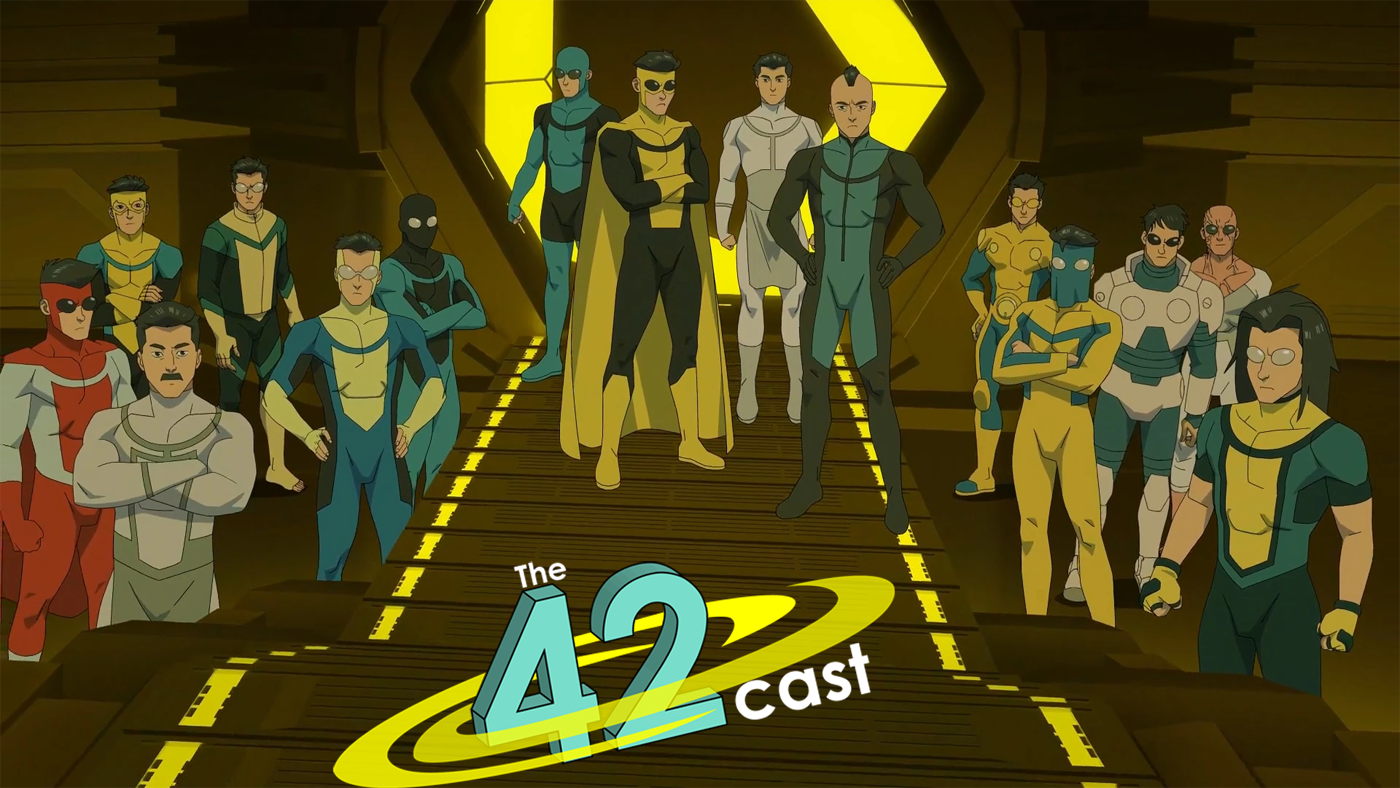
 Last time that we discussed Invincible we talked about how it stands many of the superhero tropes on its head and gives powerful characterizations without wallowing in cynicism as so many series do. In this episode we take a look at the third season of Amazon Prime’s Invincible. We discuss what this season teaches us about Mark, Nolan, Cecil, and others. We question whether Nolan is a redeemable characters. We talk about Mark’s character and whether he comes off as childish, principled, or somewhere in between. We debate nuance with characters like Rexplode and Powerplex. Along the way we get into the topics of Viltrumite culture, why Peter Cullen’s voice grants a character instant trust, time travel, and achieving full Marks.
Stay for the outtakes where Cammie makes the case that The Hunt for Ben Solo was canceled because the Di$ney executives hate women.
Our five-minute controversy this time asks if Marvel pulling their unnamed July 2027 film is a good or bad sign of their efforts to improve the performance of their brand at the box office.
This week Cammie, James, and Nate join the cast.
Show Notes:
Invincible Seasons 1&2 42cast Episode
Like what you heard? Follow us on Facebook at www.facebook.com/42cast. You can also find us on X as @42cast, Instagram/Threads as 42cast, or Blue Sky as 42cast.bsky.social. We can also be found on Youtube or rss.com where you can find links to all of the various podcast providers where we can be found. Please, leave us a review. Have a question for the Ultimate Answer? E-mail us at [email protected]. Want to be part of the discussion, join our Discord Server where you can talk about any form of geekiness, opine on the episodes, or participate in our general silliness.
 We all have them. They’re the series that got away. They’re the things that we think about with a wistful “what if..?” as we contemplate what would have happened if one of our favorite series had continued. In this episode we dive deep into the nostalgia well. We discuss the series that we loved that never made it past two seasons. We talk about why we liked them and why we felt like they deserved another shot.
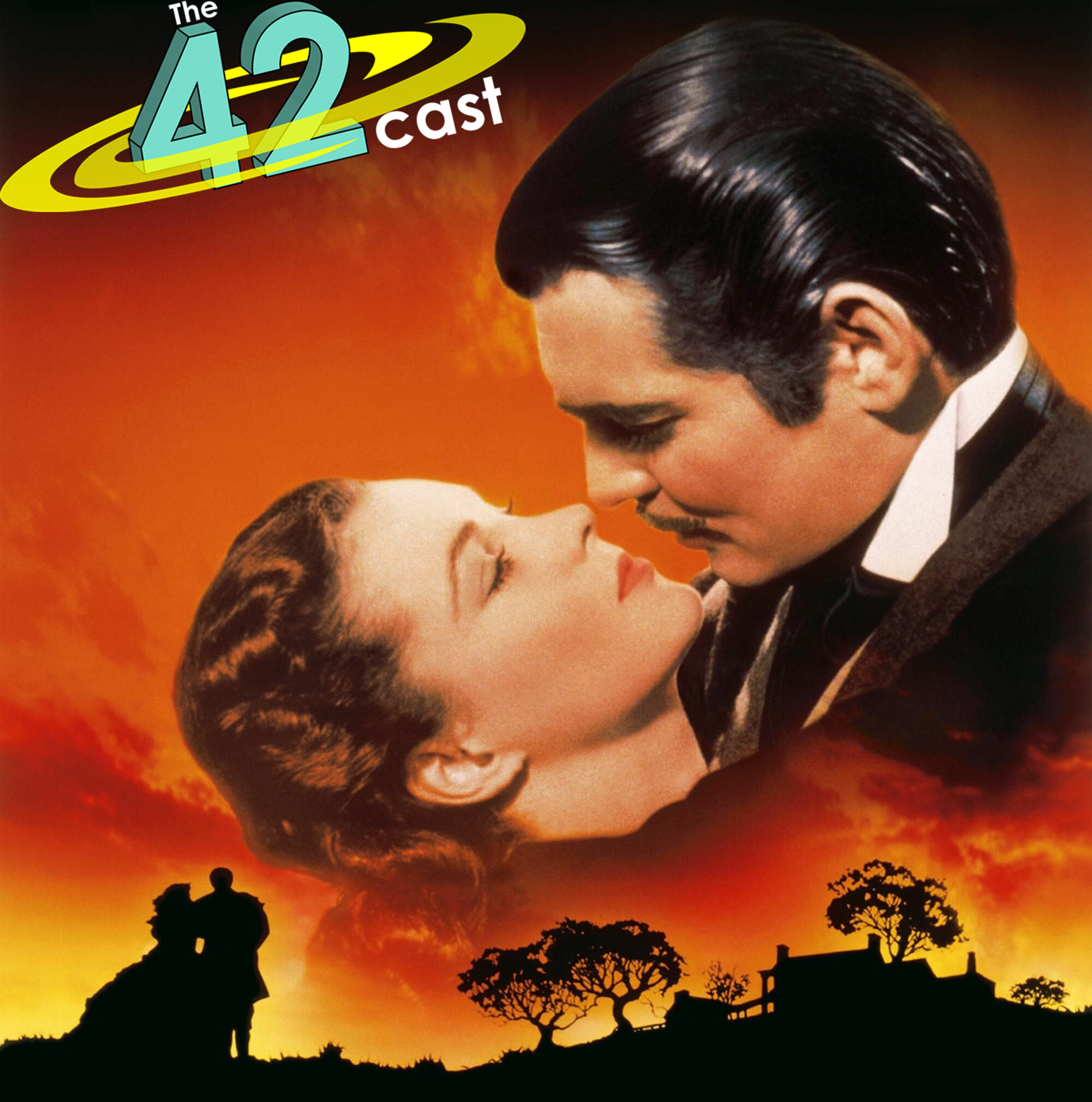 Gone With the Wind is an epic film that released in 1939. Adapting the novel of the same name, it told the tale of Scarlet O’Hara throughout the years of the Civil War and reconstruction. The movie was a huge hit both in the United States and internationally. Adjusted for inflation it is the highest grossing film of all time. It also has the distinction of being the first film to award an Academy Award to a person of color with Hattie McDaniel winning the Oscar for best supporting actress. Yet, this film has also come under fire for its depictions of race, assault on women, and southern life. We take a look at this film and question why it has remained so popular throughout the years. We discuss some of the history behind the movie, the script, and the cast. We also examine the depictions of women and people of color and talk about modern sensibilities, historical accuracy, and room for nuance. We end with a conversation about whether this movie should still be viewed today.
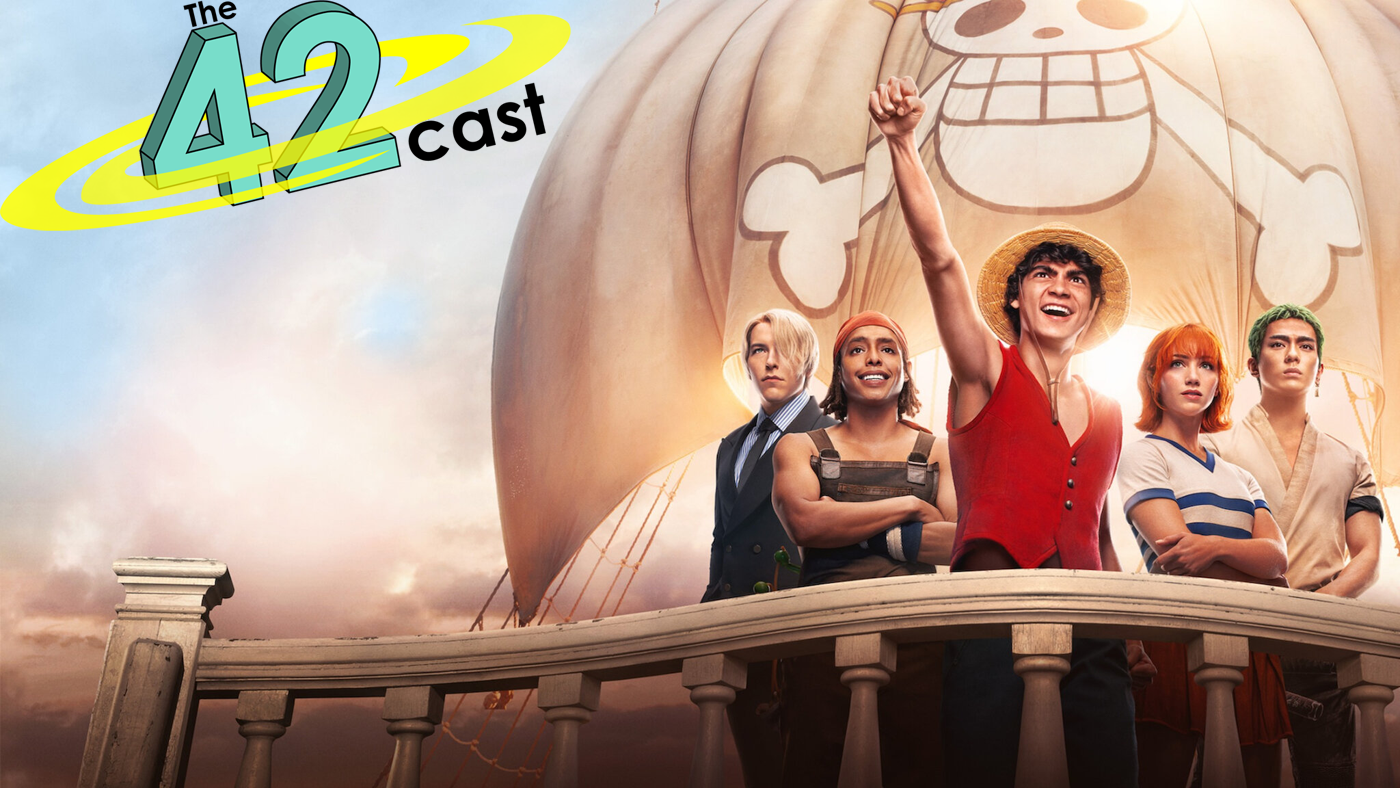 One Piece originally started as a manga series 29 years ago and has run continuously ever since. An anime adaptation followed two years later and has continued to adapt the story from the manga. Now, Netflix is producing a live action series that tells the story of the Straw Hat Pirates. In this episode we discuss that series. We talk about world of One Piece and how well the props, sets, and effects create that world. We also express our opinions on all of the characters and what we think of their dynamics. We also get into the world building, speculation on what the One Piece actually is, and what makes this series so incredibly popular. Mike and Nathan also take the time to discuss how the plot and characters differ from the anime.
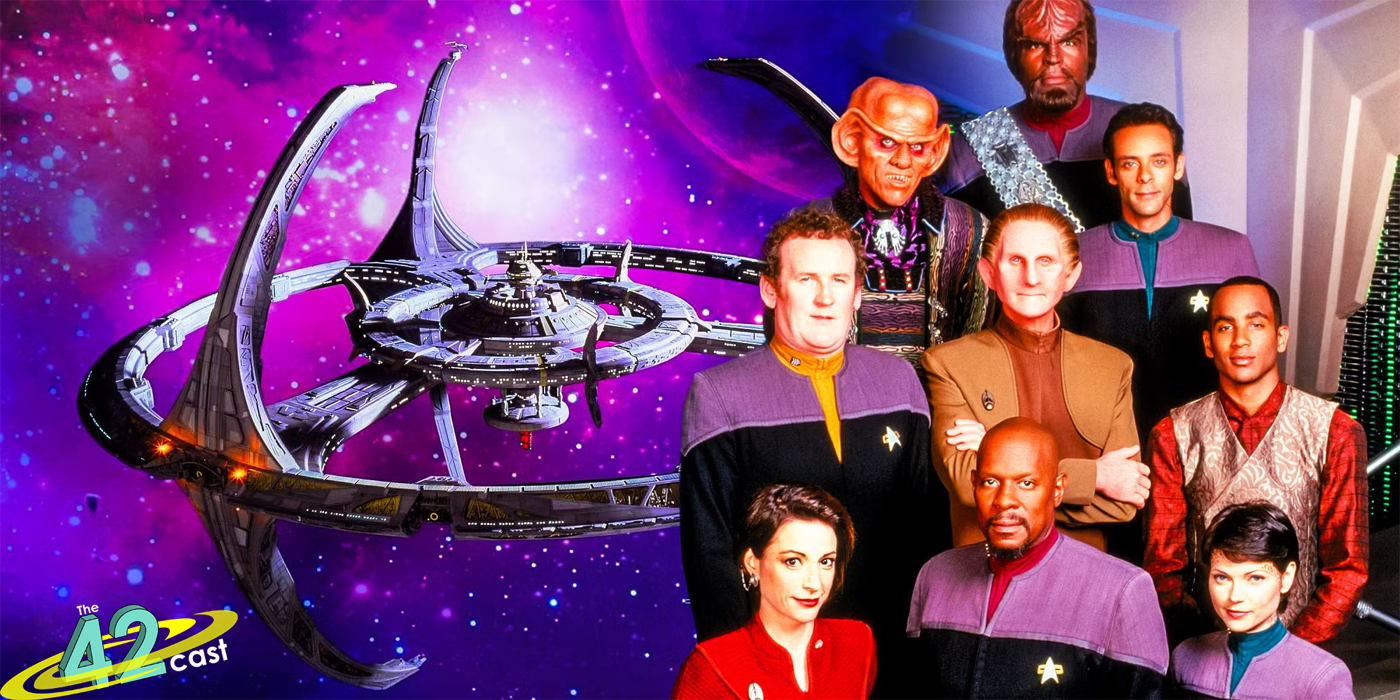 Star Trek: Deep Space Nine broke the mold on Star Trek series. It was a Star Trek series that stayed in one place. The emphasis was placed not on exploring strange new worlds but on developing characters and relationships over time. As a result it was also the first Star Trek to pioneer the development of long-term story and character arcs that would build both within a season and across seasons. In this episode we discuss this series. We talk about how it differs from other Treks and what we think about those differences. We discuss the different characters and talk about who our favorites are. We also get into our favorite stories and scenarios within the series. Along the way we’ll talk about problematic characters, adding culture, the importance of side characters, and whether the ending did everything that it needed to do.
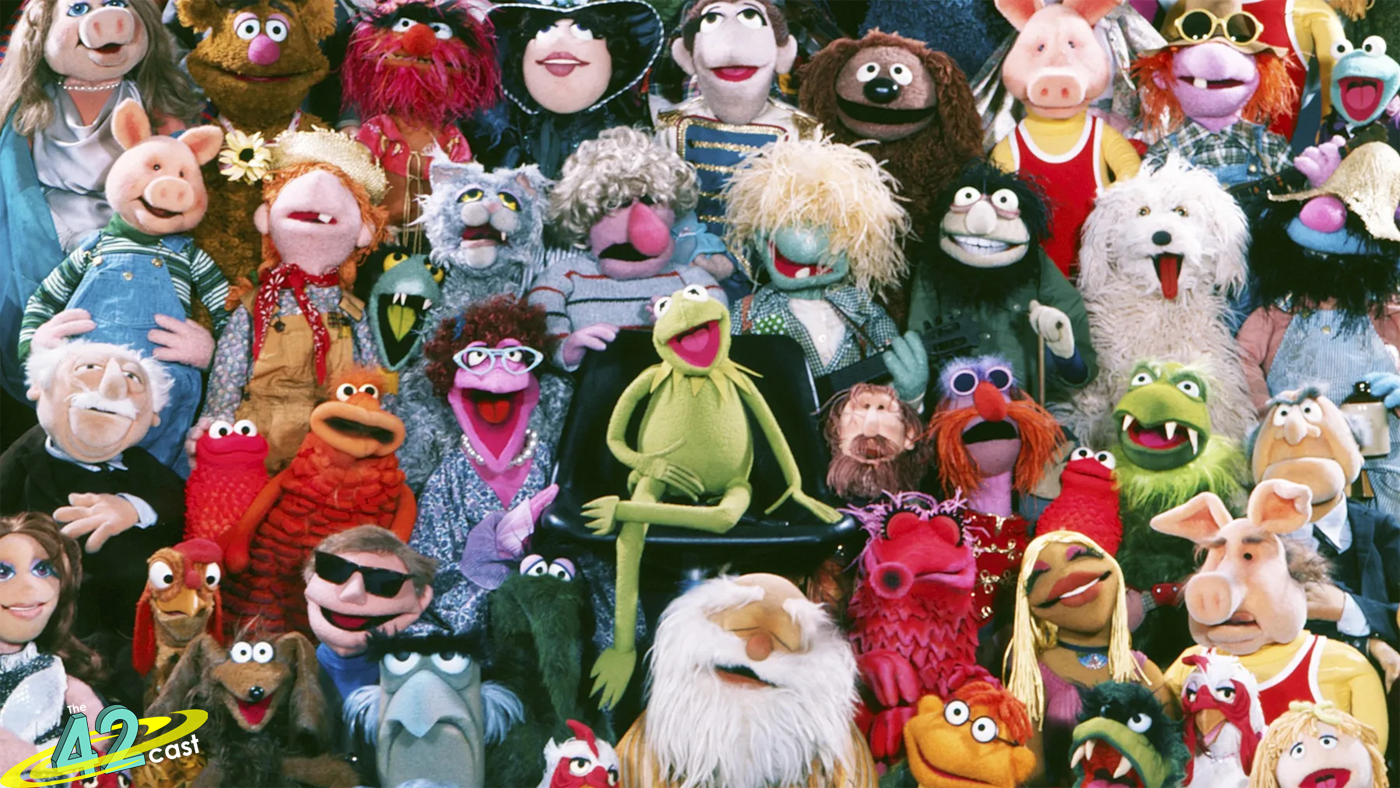 For decades the Muppets have been entertaining audiences all over the world. More expressive than most puppets, the Muppets connect with audiences on a deeper level than many similar creations. Combined with talented muppet performers and fun character concepts, it’s no wonder that the Muppets have entertained widely varying audiences for so long. In this episode we take a deep dive into the Muppet concept. We talk about our favorite Muppet characters. We discuss our favorite Muppet scenes. We also get into the reasons why people still enjoy the Muppets. We end by debating where we see the Muppet concept going in the future.
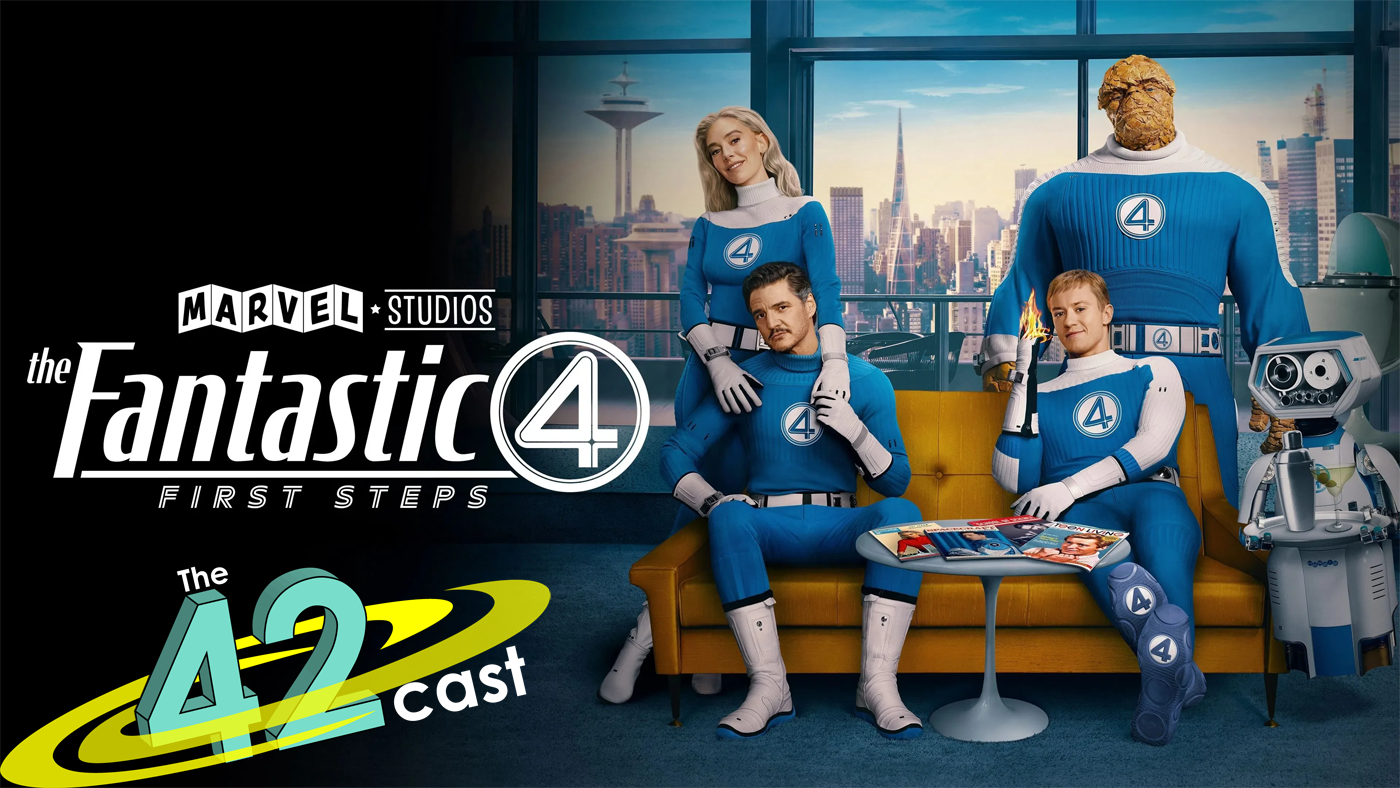 After the initial wave of Avengers film, people started wishing that Marvel had the Fantastic Four film rights, so that they could apply the same MCU formula to the first family in comics. Years later, Disney obtained those rights as part of their overall acquisition of 20th Century Fox. Fantastic Four: First Steps is the result. For this episode we dive deep into the story. We talk about the characters, the choices that were made in the depictions, and how we feel those resonate. We debate some of the story decisions and how well those worked for us. We discuss whether origin stories are necessary, the pros and cons of shorter films, and how we think that this movie will fit into the overall MCU storyline. Give it a listen and let us know what you think!
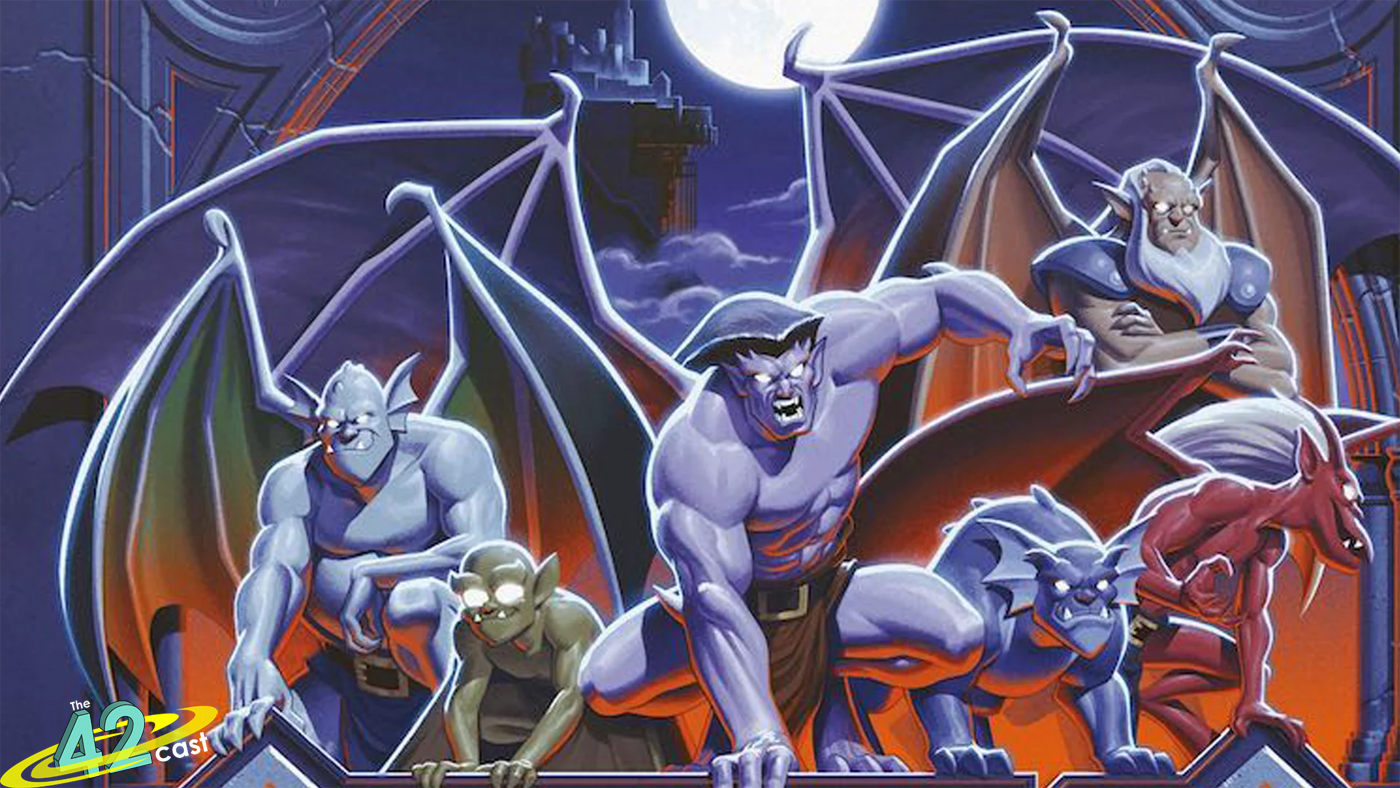 We discussed the Gargoyles in episode 265, but there was such interest in this topic that we had to do it again. Many years ago someone told Nathan that men and women view Gargoyles differently, but would not explain to him how, so we decided to do an experiment. Last time the women told us what they thought of Gargoyles. This time the men speak. Along the way we discuss favorite characters, favorite stories, and what makes Gargoyles unique and interesting. We also talk about the proposed live action reboot of Gargoyles and what we think of the idea. We get a lot of data, and we want to know from YOU if you think that our two panels view Gargoyles differently and what you think that is.
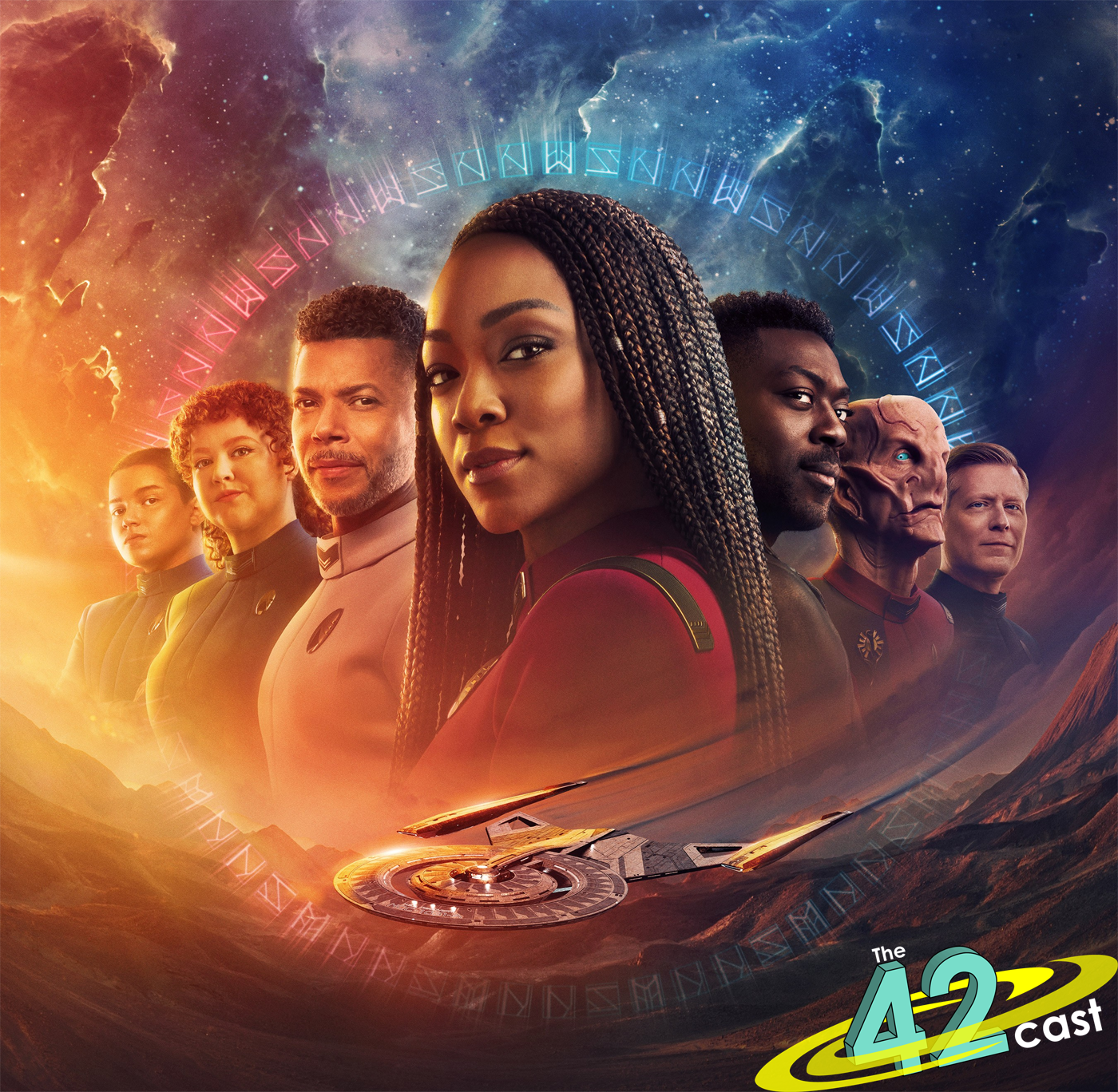 Star Trek: Discovery completed its course after a five-year mission spanning CBS All Access and Paramount Plus. It was the first of the “new” Trek series and spawned its share of controversies as well as accolades. In this episode we review the fifth and final season of the series. We talk about the quest plotline and how we feel about the payoff. We discuss the utilization of the characters and whether we felt that they were used fittingly. We also get into the coda scene and whether we felt that it was a fitting ending for the series. Along the way we talk about lore expansions, narrative payoffs, and Discovery’s main achievements and failures.
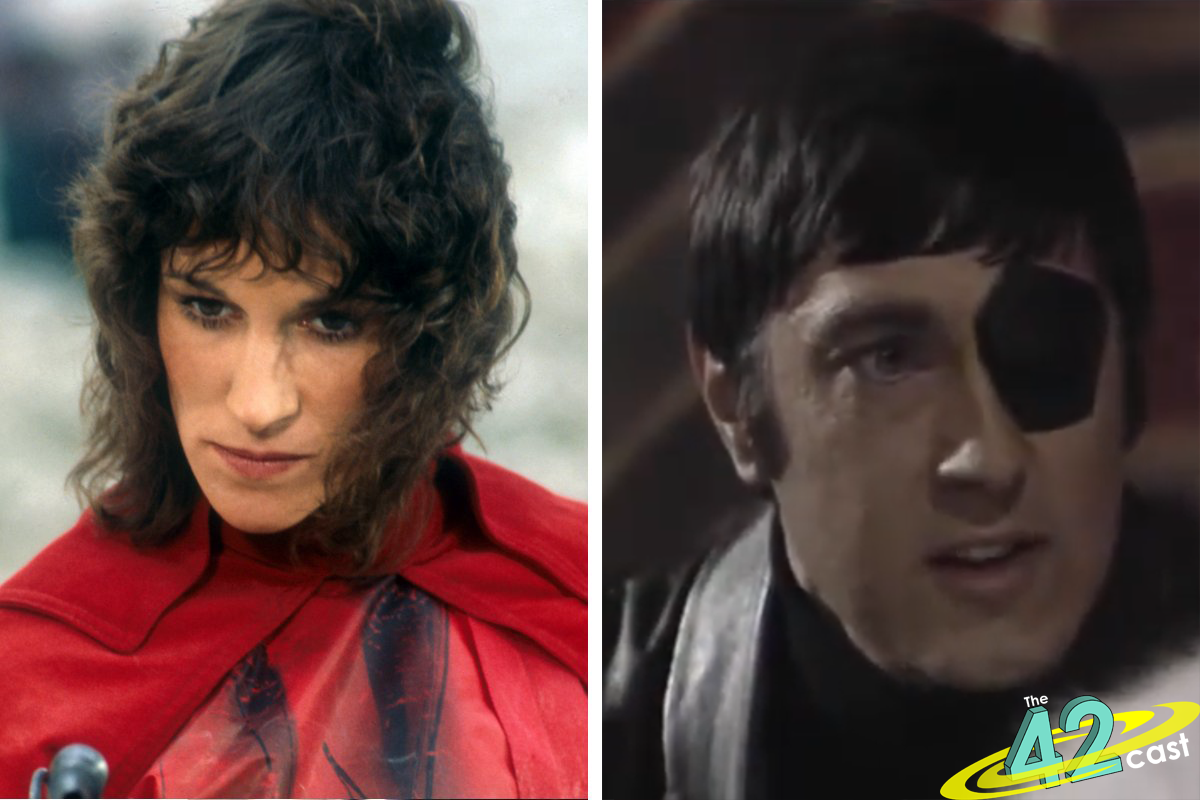 In this episode we go to Chicago TARDIS 2024 to present you with an interview discussion with Jan Chappell and Brian Croucher who played Cally and Travis in the TV series, Blake’s 7. The duo discuss convention memories, why they think that interest remains in the series, what they enjoyed about their characters, whether romances existed, thoughts on how their series relates to Doctor Who and so much more.


